The Importance of Songs in Early Childhood Education
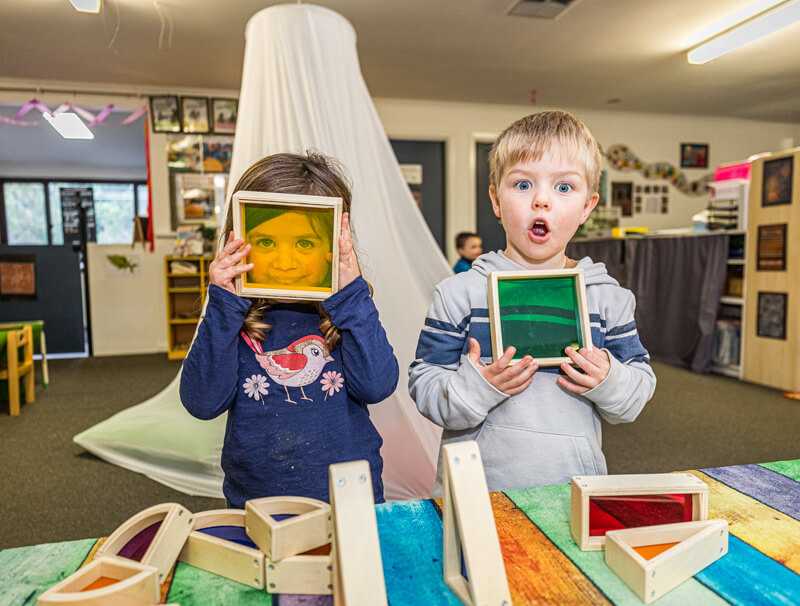
Songs are an integral part of Early Childhood Education and Care (ECEC) across Australia. Educators incorporate songs into daily routines such as group times or use them as a soothing tool for children.
Understanding the National Quality Standards (NQS) in Early Childhood Education
The NQS includes 7 quality areas that identify the important outcomes for children. These quality areas are linked to the 2 nationally approved learning frameworks; EYLF – Belonging, Being and Becoming (0-5 years) and My time, Our Place (school aged) to guide educator’s pedagogical principles and practices.
Quality Area 1 – Educational Program & Practice in Early Childhood Education

Quality Area 1 of the National Quality Standard (NQS) focuses on ensuring that educational programs and practices in early childhood education are stimulating and engaging and promote children’s learning and development. In school-age care services, this area nurtures the development of essential life skills and supports children’s experiences at school, at home, and within the community.
Understanding the National Quality Framework (NQF) in Early Childhood Education

The National Quality Framework (NQF) provides a unified national approach to regulation, assessment, and quality improvement for early childhood education, care, and outside school hours care (OSHC) services across Australia. It ensures that services operate under consistent regulations and work towards delivering high-quality outcomes for children.
Quality Area 2 – Children’s Health and Safety in Early Childhood Education
The aim of Quality Area 2 under the National Quality Standard is to safeguard and promote children’s health and safety, minimise risks and protect children from harm, injury and infection.
Quality Area 3: Physical Environment in Early Childhood Education

The aim of Quality Area 3 under the National Quality Standard is to ensure that the physical environment is safe, suitable and provides a rich and diverse range of experiences that promote children’s learning and development.
Quality Area 4: Staffing Arrangements in Early Childhood Education
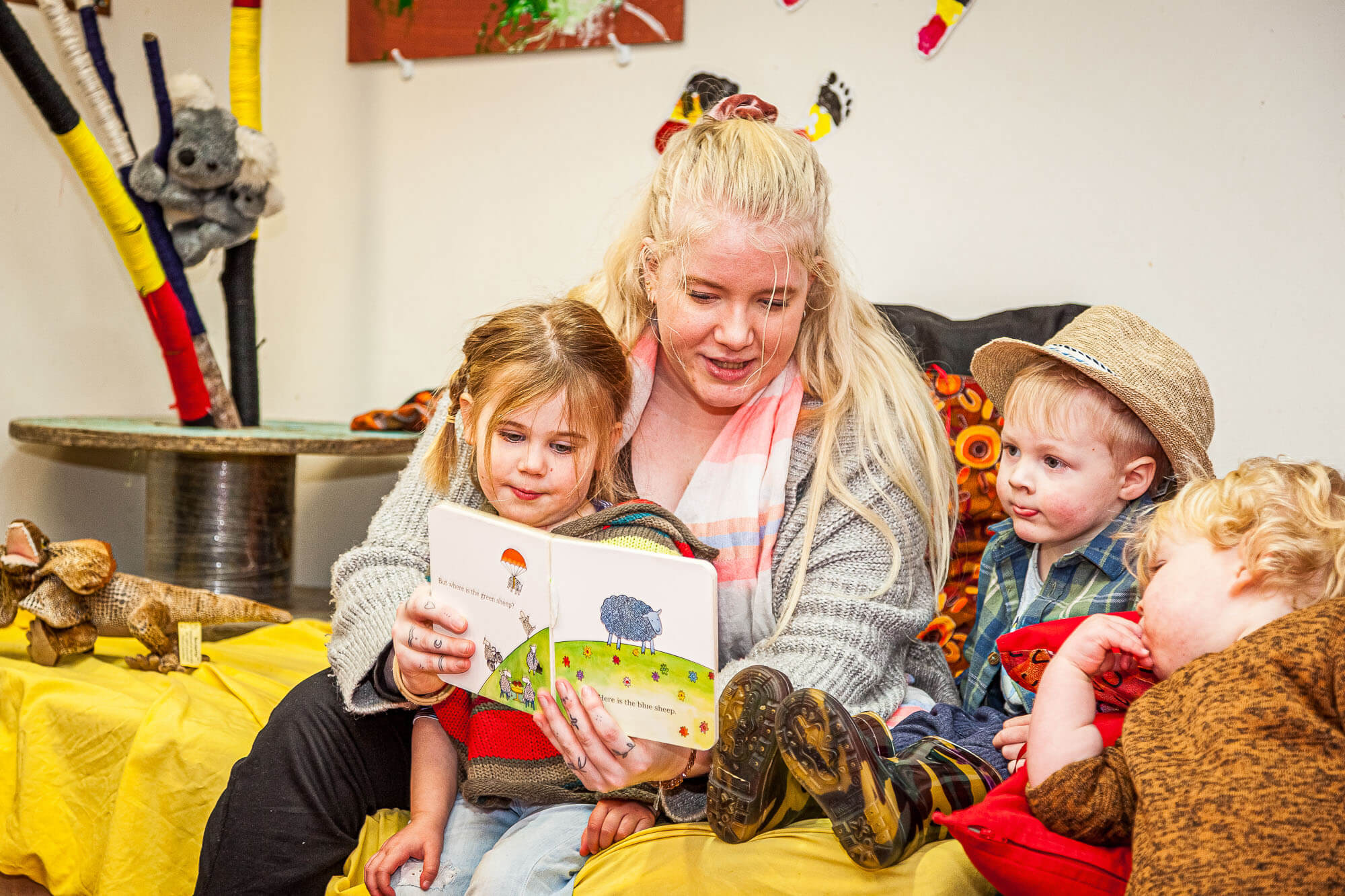
The aim of Quality Area 4 under the National Quality Standard is to ensure the provision of qualified and experienced educators, coordinators and nominated supervisors who are able to develop warm, respectful relationships with children, create safe and predictable environments and encourage children’s active engagement in the learning program.
When using the NQS handout the quality areas have been broken down to easily identify the concept and descriptor that describes each quality area, standard and element.
Quality Area 5: Relationships with Children in Early Childhood Education

Quality Area 5 of the National Quality Standard (NQS) focuses on fostering relationships with children that are responsive, respectful, and promote their sense of security and belonging. Building strong, trusting relationships allows children to freely explore their environment, engage in play, and participate actively in learning.
Quality Area 6: Collaborative Partnerships with Families and Communities in Early Childhood Education

The aim of Quality Area 6 under the National Quality Standard is to recognise that collaborative relationships with families are fundamental to achieving quality outcomes for children and that community partnerships that are based on active communication, consultation and collaboration are also essential.
Quality Area 7: Governance and Leadership in Early Childhood Education
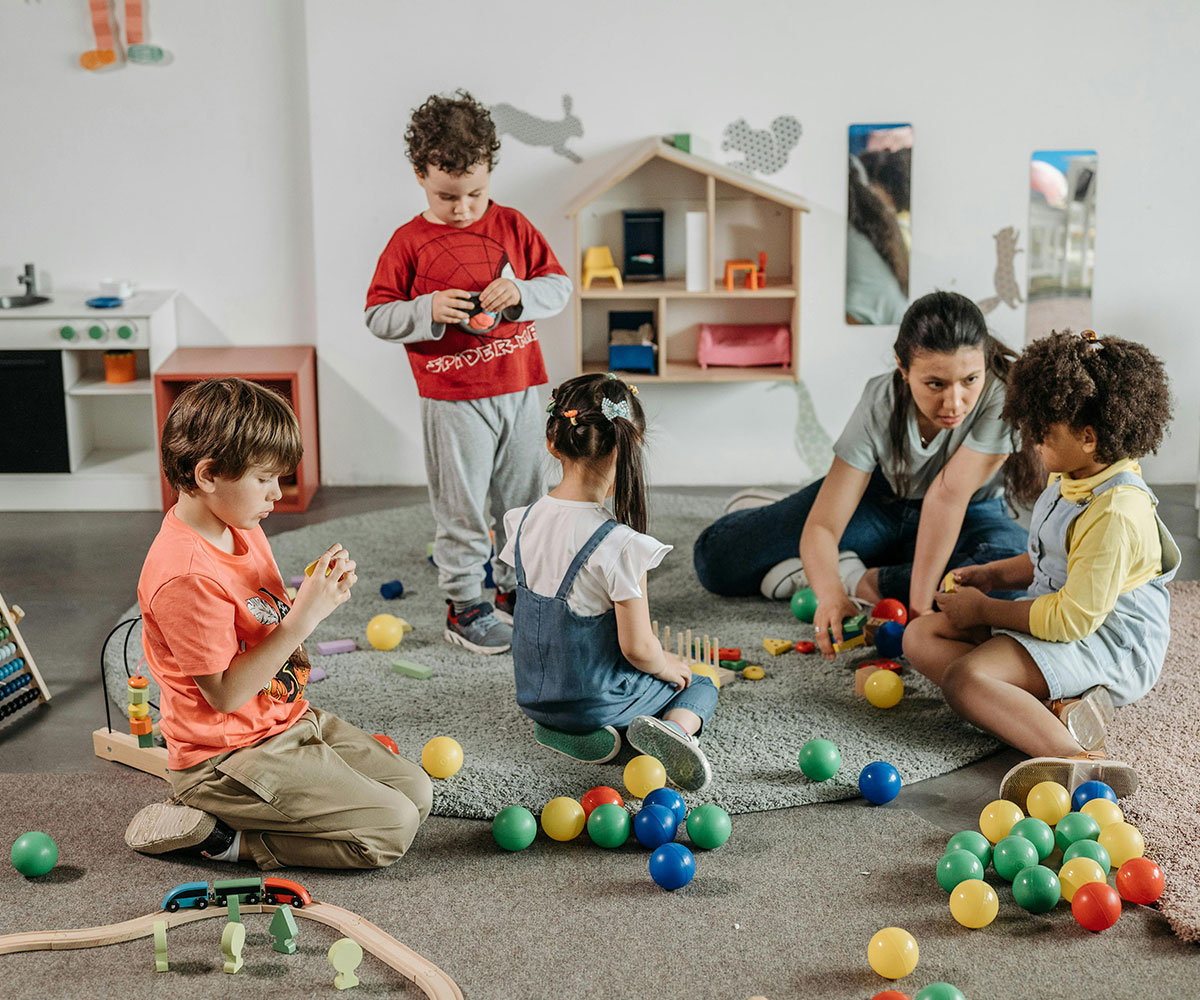
Well-documented policies and procedures, well-maintained records, shared values, clear direction and reflective practices enable the service to function as a learning community. An ongoing cycle of planning and review, including engagement with families, creates a setting for continuous improvement.